


Successful expatriation to Dubai relies on rigorous financial planning and choosing a suitable visa, such as the Golden Visa or freelance permit. This strategy guarantees residential stability and optimises your net income tax-free. A monthly family budget of AED 40,000 is advised to comfortably cover housing and schooling.
Are you wondering if your expatriation project in Dubai is truly viable given the local cost of living? This article details every step of your relocation, from residency visas to family budgets, to transform your ambition into concrete success.
You will discover how to navigate administrative obligations and professional opportunities while mastering your daily expenses.
Thanks to rigorous planning and the right cultural codes, you will optimise your transition to this dynamic crossroads. Follow our expert advice to secure your future and that of your loved ones under the UAE sun.
Residency and visas for a successful relocation to Dubai
After mature consideration of your project, the first concrete step is to secure your legal right to reside in the Emirates.
The Golden Visa and long-term permits
The Golden Visa targets real estate investors reaching the threshold of 2 million AED. This programme also includes exceptional talents. It offers unprecedented residential stability.
You benefit from a ten-year renewable residency. Family sponsorship is simplified for your relatives.
This visa removes the need for a local sponsor. You benefit from total freedom.
Options for freelancers and digital nomads
The Freelance Permit is obtained through various free zones. This permit is perfectly suited to consultants and creatives. This allows you to live in Dubai without a fixed employer.
The remote work programme welcomes foreign employees. A monthly income of $3,500 is required. It is a flexible option.
Administrative formalities and legalisation of documents
Your diplomas and marriage certificates must be attested in France. This preliminary step is essential. Each document must be officially recognised.
The MOFA then validates your documents in the Emirates for final certification.
The legalisation of documents is the administrative cornerstone of your expatriation, a step that requires diligence and foresight to avoid any holdups.
Allow three to four weeks to conclude this process. Plan your steps carefully.
Obtaining the Emirates ID and biometrics
The mandatory medical examination includes a blood test and an X-ray. This check-up is quick but strictly regulated. All future residents undergo it.
Fingerprint capture finalises your Emirates ID application. This card allows you to open your bank account. More info at Dubai residence visa - Guide, prices and procedures 2026.
Without this document, everyday life becomes complicated. It often replaces your passport.
Entrepreneurship and the labour market in the UAE
Once your visa is secured, it's time to focus on your professional activity, whether you're employed or self-employed.
Choosing between Free Zone and Mainland
The Free Zone offers a total tax exemption and allows you to hold 100% of your company. It is the ideal framework for import-export. Your final choice will primarily depend on your target clients.
The Mainland allows you to contract directly with the local government without an intermediary, which is a major strategic option. Clemenceau Group helps you decide based on the real needs of your business plan.
Prepare your project. How to get your work visa in Dubai in 2026.
Promising sectors and local job search
Tech, finance and artificial intelligence are establishing themselves as the engines of current growth. Professional opportunities there are massive. The local market remains extremely dynamic for talent.
Make extensive use of LinkedIn and approach specialist recruitment agencies. Packages often include mandatory health insurance. Please note that the salaries paid are net of tax for individuals.
- Fintech
- Luxury property
- Renewable energy
- Logistics
Dubai networking and professional codes
Relationships often take precedence over the strictness of written contracts in the Emirates. Always take the time to have a coffee. Mutual trust is built patiently over time.
Respect local etiquette: punctuality, exemplary courtesy, and strict adherence to hierarchy. This is crucial for success. Quickly join influential groups like the French Business Council to integrate.
The network is your best ally here. Never stay isolated in your corner.
Corporate and personal taxation
The 9% corporate tax now applies to profits above AED 375,000. This remains very competitive globally. It is imperative for businesses to maintain transparent and clean accounting records.
The complete absence of personal income tax is confirmed for all residents. Your salary belongs to you in full. However, a 5% VAT applies to most goods.
Accommodation and installation in the best neighbourhoods
Finding a roof over your head is the next step, and the choice of neighbourhood will greatly define your daily lifestyle.
Selecting residential areas according to your profile
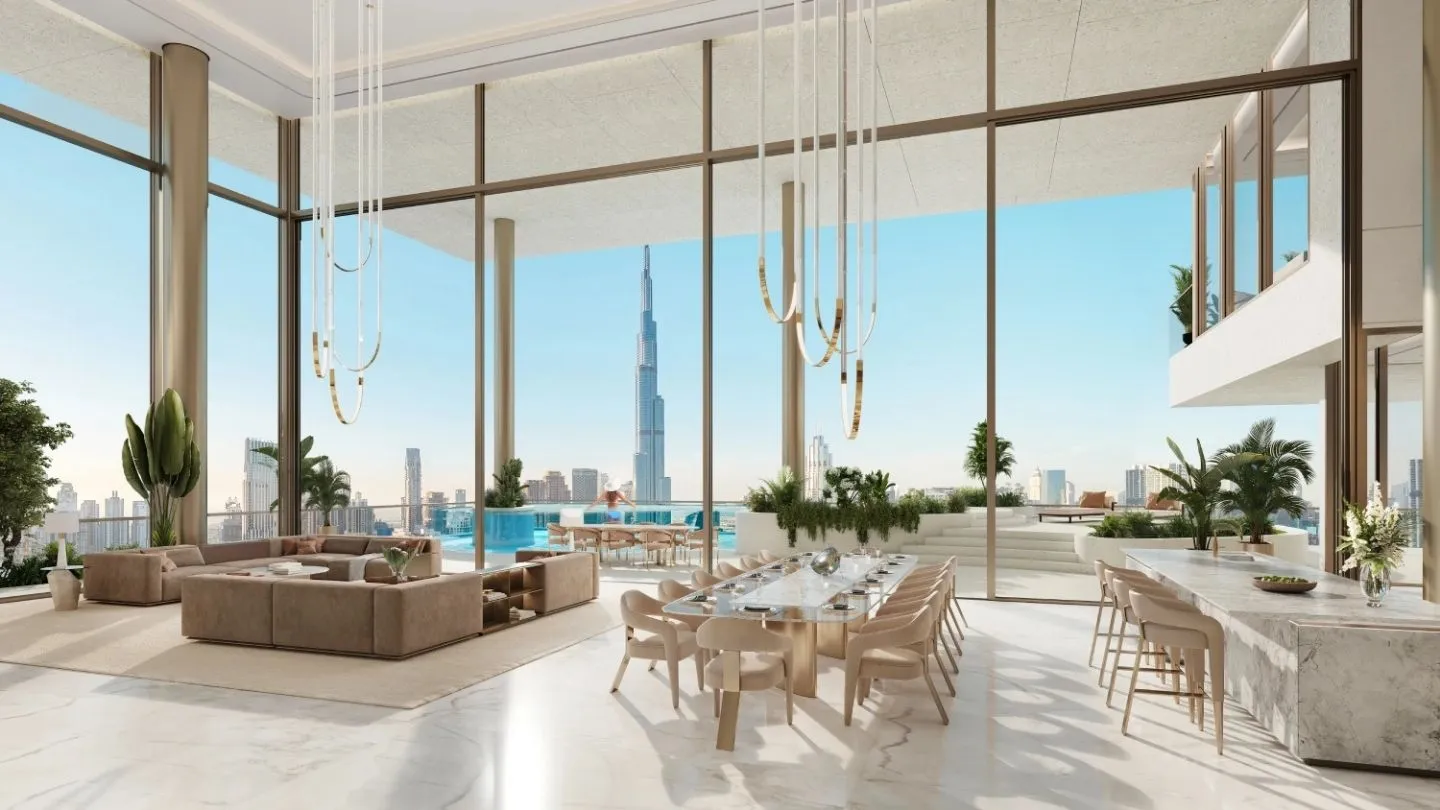
Dubai Hills and Jumeirah attract families seeking serenity. These areas offer spacious villas with international schools in close proximity. The living environment is green and secure, with numerous parks for children.
In contrast, Downtown and Dubai Marina appeal to active individuals. The urban atmosphere there is constant and dynamic. You can access everything quickly on foot. The metro perfectly serves these dense areas.
| Neighbourhood | Typical profile | Type of property | Monthly budget (AED) |
| Dubai Hills | Families | Villa | From 12,500 AED |
| Dubai Marina | Assets | Flat | From 9,600 AED |
| JVC / DSO | Budget | Studio / 1 bedroom | 3,200 – 5,400 AED |
| Town centre | Luxury | Flat | From 14,600 AED |
How leases work and Ejari registration
Payment is traditionally made by post-dated cheques submitted in advance. This is the usual local norm. Please ensure your funds are available upon your arrival.
Ejari is your official rental contract registered with the authorities. It guarantees the protection of your rights. This document is essential for activating your water meters.
Always ask for the Title Deed from the landlord. Verify the identity of the actual owner.
Ancillary charges and property maintenance fees
DEWA manages water and electricity distribution in Dubai. An initial deposit is required to open the service. You will then receive your bills each month electronically.
A housing fee of £5% is payable on your annual rent. It is collected directly through your DEWA instalments. This amount is spread over the entire year.
Take out suitable home insurance. This policy is inexpensive but remains essential.
Monthly budget and cost of living management
Living comfortably requires rigorous planning of your daily expenses to avoid unpleasant surprises.
Everyday expenses and food
Compare brands like Carrefour or Lulu with premium stores like Waitrose. Imported products are expensive. Prioritise local markets for fruit. This can halve your bill.
Estimate your budget for going out. Restaurants are numerous and varied. You can eat for ten euros or several hundred. It all depends on your social habits.
Dubai offers endless luxury, but mastering your food budget means making smart choices from local eateries.
Transport costs and vehicle purchase
The price of petrol remains low compared to Europe. Owning a car is often a necessity. The motorways are wide and very well maintained.
The Salik system uses automatic, non-stop toll gates. The amount is debited from a tag stuck to your windscreen. Prices vary depending on the time of passage.
The underground is a clean alternative. It serves the main routes.
Banking and money transfers
Choose a bank such as Emirates NBD or ADCB. Opening an account requires your Emirates ID. The mobile apps are extremely powerful and intuitive.
Use online exchange platforms for your international transfers. Traditional banks often charge high fees. Optimise your cash flow.
The taxation of non-residents should be checked with an expert. This avoids unnecessary double taxation.
Keep a safety net. Unexpected things happen quickly.
Family life and the international education system
For those settling down with their loved ones, schooling and healthcare become the absolute priorities of the project.
French-speaking schools and international curricula
Lycée Georges Pompidou and AFLEC are among the preferred choices. Tuition fees are high and progressive. Budget between £8,000 and £15,000 per year per child. Primary school places are often very limited.
The KHDA plays a central regulatory role. This organisation assesses each establishment annually. An «Outstanding» rating assures parents of very high-quality education for their children.
Healthcare system and mandatory coverage
Health insurance is legally required to validate your residency visa. It must cover basic medical care. As a general rule, employers provide this cover for their employees.
Dubai has world-class private hospital infrastructure. Waiting times for patients are virtually non-existent. More info here: Hospitals in Dubai | Top 10 and French Doctors [2026].
A consultation with a GP costs around 100 euros. Check the reimbursement rates for your insurance policy precisely.
Pharmacies are accessible 24 hours a day in the city. You will easily find them on every street corner.
Childcare and household staff
Recruiting a nanny or a domestic helper is common practice. You then become their legal sponsor in the Emirates. This incurs visa fees and the payment of a salary.
Nurseries welcome children from a very young age. They often follow British programmes or the Montessori method. This is an ideal solution for promoting early socialisation.
Compliance with employment contracts is strictly monitored. Always treat your staff with dignity and fairness.
Social integration and respect for local customs
Finally, a successful expatriation also means respectfully adapting to the culture and traditions of your host country.
Rules of conduct and cultural etiquette
Dress respectfully in shopping centres and administrative buildings. Avoid clothing that is too short or provocative. This shows respect for the local culture and traditions.
During Ramadan, do not eat in public during the day. Working hours are then reduced. Living as a couple in Dubai | Law and visa guide 2026 [Pro].
Be careful on social media. Defamation and sharing photos without permission are punishable by law.
Leisure activities and community life
Join sports clubs to meet people. Padel and cycling are very popular. Expat communities often organise themed meet-ups to help you settle in.
Enjoy the beaches and parks during the winter. The community life is rich and dynamic. Download the Meetup app to find groups with shared interests based on your own passions.
You will find many options for entertainment:
- Indoor Skiing
- Desert outings
- Dubai Opera
- Public beaches
Climate preparation and seasonality
Summer is intense with temperatures exceeding 45 degrees. Life then moves inside air-conditioned centres. It's the ideal time to travel abroad. The infrastructure is perfectly adapted to this sometimes stifling heat.
From November to April, the climate is absolutely perfect. It's the season for barbecues and outdoor activities. Take advantage of it to explore the Hatta mountains or the lush green parks.
Keep hydrating. The sun is beating down, even when there's a cool breeze.
To successfully expatriate to Dubai, you'll need to secure your visa, choose a district that suits your budget, and anticipate school fees. Prepare your arrangements now to benefit from an exceptional living environment and an advantageous tax system. Seize this unique opportunity to transform your future in the Emirates.
FAQ
What monthly budget should you plan for to live comfortably in Dubai?
The cost of living in Dubai is significant and requires careful planning. For a single person, budget between 15,000 and 18,000 AED per month. If you are moving with a child, this budget rises to between 20,000 and 25,000 AED. For a family of four, a monthly income of 40,000 to 45,000 AED is recommended to cover housing, schooling and leisure activities.
These estimates include running costs but vary depending on your neighbourhood. For example, a studio apartment in Downtown costs around AED 6,300 per month, compared to AED 3,200 in Dubai Silicon Oasis. Don't forget to factor in additional costs such as the 5%% housing fee and school fees, which can reach AED 130,000 per year in some international schools.
What are the conditions for obtaining a Golden Visa through real estate investment?
To qualify for the Golden Visa and a 10-year residency, the real estate investment threshold is set at AED 2 million. Good news: you can now combine multiple properties or acquire off-plan properties (Oqood) to reach this amount. Since February 2026, the rule requiring an initial payment of 50 % for mortgaged properties has been removed, making it easier to access this valuable pass.
This visa offers you complete freedom, with no minimum stay requirement. You also have the option to sponsor your spouse, children of any age, and your domestic staff. Please note that the government fees for this procedure amount to approximately AED 88,000 for an investment of AED 2 million.
How to obtain a visa to work as a freelancer in Dubai
The Freelancer Permit is a flexible option that does not require a minimum initial income. You must be at least 18 years old, possess a valid passport, and obtain a permit issued by the Ministry of Human Resources. You will also need to provide proof of professional experience and educational qualifications, such as a degree or equivalent diploma.
Once your licence is obtained, you will be able to reside and offer your services legally throughout the city. Sectors such as digital marketing, web development, or graphic design are particularly sought after. The average monthly salary for a freelancer generally ranges between 4,000 and 6,000 AED, offering you total autonomy without being tied to a single employer.
What is the procedure for legalising French documents before departure?
Legalisation is a three-stage process that is essential because the Emirates do not recognise a simple apostille. You must first have your document certified by the competent authority in France (Chamber of Commerce for commercial documents, Notary for private documents). Then, the document must be validated by the Ministry of Foreign Affairs (MAE) in Paris. Finally, the Embassy of the United Arab Emirates in France will affix the final visa.
Allow an average timeframe of 6 to 8 working days for the entire process. Fees vary depending on the nature of the act: approximately €40 for a diploma or civil status document, and up to €475 for commercial documents. If your documents are not in French, a sworn translation into English or Arabic will be absolutely required before the MAE (Ministry of Foreign Affairs) stage.
What are the health insurance obligations for residents?
In Dubai, medical cover is a legal requirement for validating and maintaining your residency visa. If you are employed, your employer is generally required to provide this insurance. For investors, freelancers, or sponsored family members, you will need to take out a private plan. A basic individual plan costs between 700 and 1,800 AED per year, while comprehensive family cover can range from 12,000 to 35,000 AED.
The Dubai healthcare system is world-class with high-performing private hospitals and virtually non-existent waiting times. A standard consultation with a GP costs between AED 250 and AED 450. We advise you to carefully check the reimbursement rates of your policy, as specialist care can quickly become expensive without adequate cover.