


Key points to remember
Ajman embodies the perfect balance between ancestral heritage and dynamic modernity. This emirate has preserved its maritime traditions, craftsmanship and authenticity while developing innovative economic and tourist infrastructures. An ideal destination for experiencing the Emirati soul without sacrificing contemporary comfort, just a 15-minute drive from traditional souks and modern skyscrapers.
Do you dream of discovering the United Arab Emirates without the hustle and bustle of Dubai or the exorbitant prices of Sharjah? Ajman, the smallest of the emirates, embodies the perfect balance between age-old tradition and bold modernity, where the Al-Fahidi Fort stands guard over futuristic architecture. Behind its bustling souks, pristine beaches and skyscraper-lined Corniche lies a metropolis that is redefining the luxury of preserved authenticity, combining age-old festivals such as the Ajman Heritage Festival and its annual dhow race, innovative gastronomy and groundbreaking cultural projects such as the Heritage Village and the Ajman Cultural District.
Ajman: the little-known jewel of the United Arab Emirates
Ajman, the smallest emirate in the United Arab Emirates, embodies a unique balance between history and modernity. Nestling on the west coast, it has preserved its traditional soul while embracing dynamic development. Here, ancient alleyways interact with skyscrapers, offering an experience where time seems suspended.
An emirate on a human scale
Ajman covers an area of 460 km², and its charm lies in its intimacy. In contrast to the hustle and bustle of Dubai, its quiet streets and unspoilt beaches invite serenity. Its proximity to Sharjah and its affordable cost of living make it a strategic choice for residents and visitors in search of authenticity.
Between heritage and ambition: the promise of Ajman
Ajman celebrates its past without denying the future. The Ajman Museum, housed in an 18th-century fort, recounts its roots, while the Ajman Free Zone attracts investment. Dhows shipyards coexist with modern cafés, the symbol of an emirate that combines tradition and innovation without compromise.
A journey back in time: Ajman's preserved cultural heritage
The Ajman Museum: the historic heart of the emirate
Ajman is home to the Al-Fahidi Fort, built at the end of the 18th century. This bastion, seat of power until 1970, now houses the Ajman Museum. Visitors will discover a treasure trove of 3,000 years of history.
The collections include funerary jewellery dating back to 3000 BC, ancient manuscripts and cannons from the era of naval battles. A section dedicated to pearl fishing is a reminder of a major economic activity.
The contrast between the massive gateway and the modern exhibits illustrates the balance between preservation and modernity. The museum offers a captivating insight into the evolution of the emirate, with annotations in Arabic and English.
The maritime soul: from shipyards to bustling souks
On the banks of the Ajman creek, the dhows shipyard perpetuates an age-old tradition. Craftsmen handcraft wooden dhows, symbols of an age-old link with the sea.
Nearby, the fish market offers a sensory immersion experience. The stalls are overflowing with groupers, prawns and crabs, a reminder of the city's maritime heritage. The vendors, often descendants of sailors, perpetuate the culture of haggling.
Palm leaf weaving and pottery complete this showcase of crafts. These crafts, handed down from father to son, bear witness to a desire to preserve identity in the face of galloping urbanisation.
Emirati hospitality, a living tradition
In the majlis, the gahwa ritual reveals an ancestral generosity. Cardamom and saffron perfume the coffee served with dates, a symbol of a warm welcome.
These meeting places retain their central role in society. The stories shared around the café strengthen a social fabric that stands the test of time.
The people of Ajman embody this legendary hospitality, offering visitors privileged access to their daily lives. This open-mindedness illustrates the balance between modernity and tradition.
The modern face of Ajman: a fast-growing metropolis
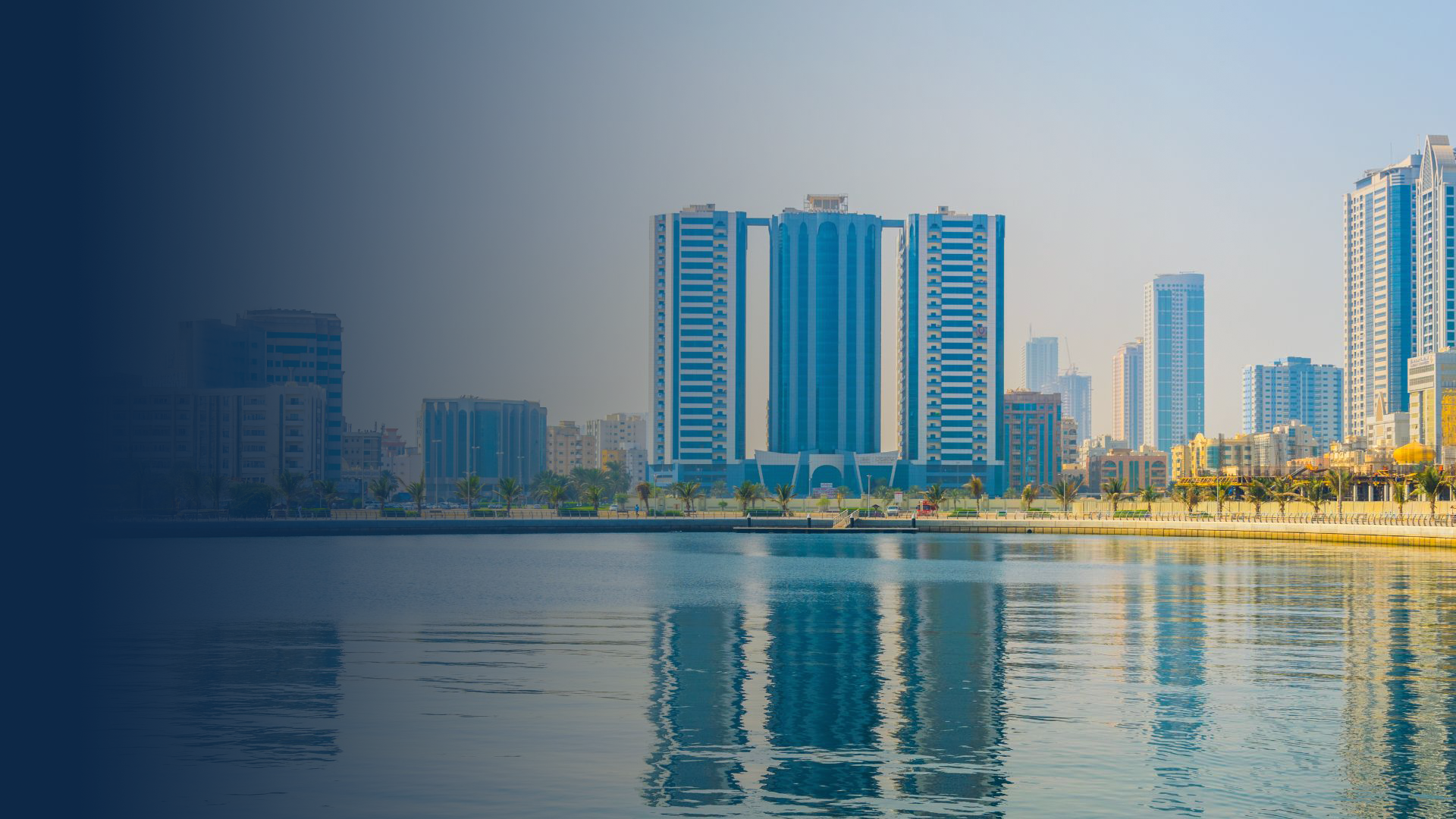
A spectacular cornice and an evolving skyline
The Ajman Corniche is being transformed into a multifunctional space. The project, overseen by Sheikh Rashid bin Humaid Al Nuaimi, adds 300,000 square metres of green space and extends the coastline by 150 metres.
Residences such as Ajman Corniche Residences offer panoramic views and amenities such as swimming pools, fitness facilities and beach access. An underwater barrier enhances sustainability. Completed in 2025, the project aims to attract tourism and luxury real estate, while preserving the coastal ecosystem using sustainable materials.
An attractive, forward-looking economic hub
The Ajman Free Zone attracts 8,000 companies thanks to foreign ownership at 100 %, tax exemptions and 48-hour registration.
Just 30 minutes from Dubai, it enjoys a strategic location for sea and road transport. Its port handles a wide range of cargoes (bulk, containers, liquid goods).
With flexible visa packages and e-commerce licences that are rare in the region, it is one of the most competitive free zones in the Emirates, particularly for the technology and e-commerce sectors.
The culinary scene: when tradition inspires innovation
Ajman's cuisine blends tradition and modernity. At the Emirates Sea Restaurant, harees (wheat and meat) is revisited with Mediterranean herbs.
Chefs are exploring bold fusions, such as saffron biryani, in modern venues. Although few Emirati fusion restaurants are listed, establishments like Viking Restaurant (rated 4.9/5) blend international influences.
This evolution reflects Ajman's balance between heritage and modernity, driven by young local designers who are redefining Emirati cuisine.
The perfect balance: how Ajman combines past and future
Projects dedicated to safeguarding cultural identity
Ajman is preserving its heritage through dynamic initiatives. The Ajman Heritage Village offers weaving and pottery workshops, transmitting ancestral techniques through interactive demonstrations.
The Ajman Cultural District combines contemporary art and tradition with works such as Al Mizan, which embodies the local open-mindedness. These venues go beyond the museum setting to become living centres of exchange.
Educational programmes, such as those at Ajman University, include the study of Emirati culture to anchor young people in their history.
Celebrating traditions to the rhythm of festivals
Cultural events reinforce the collective attachment to Emirati roots. Here are the key moments:
- Ajman Heritage Festival The event, which attracts thousands of visitors, showcases traditional dances, camel races and craftsmen practising their ancestral trades.
- Annual dhow race Wooden boats, symbols of maritime wealth, compete in regattas before a captivated audience, celebrating 200 years of maritime history.
- Ramadan Nights The night markets, decorated with colourful lanterns, offer specialities such as harees and traditional music performances, attracting local families and expatriates alike.
- Eid al-Fitr celebrations The streets are lit up for a month of sharing, with collective prayers and festive meals bringing together whole generations.
Urban development that respects the past
Ajman reconciles modernisation and architectural memory. Although the Al Bustan district is home to a number of new buildings, there are still some historic features, such as the cement houses dating from the 1970s.
Recent buildings incorporate references to local identity, such as stylised barjeel motifs or facades reminiscent of traditional souks. The contrast between the coral stone Ajman Museum and the contemporary structures illustrates this harmonious coexistence between eras.
Souq Saleh, with its palm-leaf-covered alleys and spice stalls, embodies this synergy between modern commerce and ancestral traditions.
Ajman and its neighbours: a genuine and strategic alternative
A different pace of life: the choice of tranquillity
Ajman boasts a serene atmosphere, far removed from the hustle and bustle of major cities such as Dubai.
The quiet streets, lack of crowds and proximity to natural landscapes make it an ideal emirate for families or travellers looking to relax.
In contrast to the dizzying skyscrapers of Dubai, Ajman has preserved an intimate setting, where traditions are part of everyday life. Traditional markets and strolls along the corniche reinforce this rare blend of modernity and authenticity.
Comparison: choosing between Ajman and Dubai
| Criteria | Ajman | Dubai |
|---|---|---|
| Atmosphere | Authentic and relaxed | Cosmopolitan and vibrant |
| Cost of living | More affordable (housing, daily life) | High (international standard) |
| Tourism | Cultural, seaside, focused on authenticity | Luxury, shopping and entertainment on a grand scale |
| Business opportunities | Ideal for SMEs and start-ups (reduced costs) | Global hub for multinationals and finance |
| Proximity | Peace and quiet on site, easy access to Dubai/Sharjah attractions | All attractions on site, high density |
Opting for Ajman means choosing a lifestyle where time seems to slow down. A studio apartment costs between AED 14,000 and AED 18,000 a year, compared with an average of AED 98,940 for a one-bedroom flat in Dubai. Meals here are affordable, and access to Dubai International Airport takes just 23 minutes by taxi.
The best of both worlds: a unique positioning
Ajman offers a rare balance: a cost of living 30 to 40 % lower than Dubai, while retaining rapid access to major infrastructure.
Ajman is a peaceful place to live or invest, while remaining connected to the economic opportunities of the northern emirates. A balance between modernity and authenticity at your fingertips.
Why Ajman embodies the essence of the United Arab Emirates
Ajman embodies the balance between tradition and modernity. Unlike the Emirati metropolises, it retains an authentic charm with its pristine beaches, vibrant heritage and serene atmosphere.
Behind its skyscrapers, the emirate celebrates its history with the Al-Fahidi Fort and the Ajman Heritage Village district, where crafts and ancient tales are still alive. An ideal destination for cultural immersion without sacrificing comfort.
Why Ajman should be on your travel list
Between desert and sea, Ajman blends traditional souks with contemporary cafés. Emirati hospitality is embodied in the majlis, where gahwa (Arabic coffee) and dates seal friendship.
The varied landscapes, from the Al-Hajar mountains to the turquoise waters, will appeal to nature lovers. Ajman Beach, rated #1 on Tripadvisor, offers relaxation and spectacular sunsets. An ideal escape from the hustle and bustle of the big cities.
Practical advice for a successful stay
- Best period October to April (20-28°C) for a mild climate. Avoid summer (40°C+).
- Dress code Cover shoulders and knees during cultural visits. Women should avoid cleavage in religious places.
- Travel Car hire from 13 $/day to explore the emirate and its enclaves. Ideal for day trips.
- Currency Currency: Emirates Dirham (AED). Cards accepted in 90 % locations, but bring cash for the souks.
Ajman embodies the balance between tradition and modernity, combining its cultural heritage (museum, festivals, crafts) with an innovative vision (corniche, economic zone, gastronomy). This fusion makes it an essential destination for an authentic experience of the Emirates, far from the hustle and bustle of Dubai but connected to its energy. A treasure trove where the past inspires the future.
FAQ
Where is the Emirate of Ajman located?
Ajman is one of the seven emirates that make up the United Arab Emirates. It is located on the coast of the Persian Gulf, between Dubai and Sharjah. With a surface area of 259 km² (or 460 km² including its territorial waters), it is the smallest emirate in the country. Its capital, Ajman, is the administrative and cultural centre of the emirate, with easy links to the other emirates thanks to its strategic location.
What advantages does Ajman have over Dubai?
With its authentic ambience and more affordable cost of living, Ajman appeals to those seeking tranquillity and proximity to local culture. Unlike Dubai, renowned for its fast pace and high prices, Ajman offers rents up to 50 % cheaper, a family environment and rich cultural experiences such as visits to traditional shipyards or historic museums. However, Dubai remains the place to be for lovers of luxury and technological innovation.
What activities are available in Ajman?
Ajman invites you to immerse yourself in culture and nature. Explore the Al-Fahidi Fort, a museum retracing local history, or stroll along the Corniche, lined with beaches and modern cafés. The Dhow Yard will show you how traditional dhows are built by hand. For festival-goers, take part in the Ajman Heritage Festival or watch the annual dhow race. Finally, the Ajman Cultural District and Ajman Heritage Village offer craft workshops and demonstrations of local dances.
Who is Ajman's current leader?
The Emir of Ajman is Sheikh Humaid bin Rashid Al Nuaimi III, in office since 1981. He embodies the local heritage while guiding the emirate's economic development. His son, Sheikh Ammar bin Humaid Al Nuaimi, is preparing the future transition. Their vision combines the preservation of tradition and modernisation, notably through initiatives such as the Ajman Free Zone, an attractive hub for international businesses.
What are the seven United Arab Emirates?
The seven emirates are : Abu Dhabi (capital), Dubai, Sharjah, Ajman, Umm Al Quwain, Fujairah and Ras Al Khaimah. Each has its own government and specific characteristics. Ajman, the smallest emirate in terms of surface area, stands out for its balance between modernity and tradition, while enjoying the same tax and security advantages as the other emirates.
How do you reconcile modernity and tradition in Ajman?
Ajman celebrates its heritage through sites such as the Ajman Museum and the craft workshops in the Heritage Village. At the same time, Ajman's Corniche and Free Zone reflect its economic dynamism. The emirate is even planning to open the Ajman Cultural District, a space dedicated to creativity and the transmission of know-how. This synergy between past and future is reinforced by events such as Ramadan Nights, where religious traditions and contemporary entertainment come together.
Why choose Ajman to live or invest?
Ajman combines quality of life with economic opportunities. Its moderate cost of living - a monthly rent for a studio apartment ranges from AED 1,167 to AED 1,500 - makes it an attractive alternative to Dubai. The Ajman Free Zone (AFZA) offers foreign 100 % licences, low taxes and strategic access to global markets. Finally, its serene environment, unspoilt beaches and cultural influence make it an ideal destination for families or entrepreneurs looking for a balanced environment.