

You are planning a stay or expatriation in the Emirates and your trip coincides with the Ramadan in Dubai ? This Islamic holy month profoundly alters the rhythm of the city and imposes strict rules of conduct that all visitors and residents must be aware of. Far from being an obstacle, this period offers a unique cultural immersion and opportunities that few tourists are aware of.
This practical guide details everything you need to know to live Ramadan in Dubai in 2026 with peace of mind, whether you're a long-standing expatriate, an entrepreneur on assignment or a traveller just passing through. From the basic rules to the best Iftar spots and the practical impact on your daily life and business, we cover every aspect of this special period.
What is Ramadan?
Ramadan is the ninth month of the Hegira calendar, the Islamic lunar calendar. For its entire duration, practising Muslims observe a strict fast from sunrise to sunset: no food, drink or tobacco is consumed during daylight hours. This month represents one of the five pillars of Islam and commemorates the revelation of the Koran to the prophet Mohammed SWS.
As well as fasting for food, Ramadan is above all a month of spiritual recollection, prayer, charity and family sharing. For Muslims, it is a time of inner purification and strengthening of community ties. Acts of generosity are encouraged and families gather every evening for Iftar, the meal at the end of the fast. This social and spiritual dimension transforms the atmosphere of Dubai in a way that you won't find at any other time of the year.
Ramadan 2026 in Dubai: dates and times
In 2026, the Ramadan in Dubai officially began on 18 February and is expected to end around 19 or 20 March, depending on moon sightings. The festival of Eid al-Fitr, which marks the end of the holy month, is declared by the religious authorities the evening before after visual confirmation of the crescent moon.
Since the Hegira calendar is lunar, Ramadan moves back around 10 to 11 days each year compared with the Gregorian calendar. This gradual shift means that Ramadan passes through all the seasons in a cycle of around 33 years. In 2026, it falls at the end of winter, a period when the days are relatively short in Dubai, making fasting less strenuous than at the height of summer, when it can last more than 15 hours.
Here are the approximate fasting times in Dubai for Ramadan 2026:
| Week | Imsak (start of fast) | Iftar (break) | Duration of fasting |
| Start (18 Feb) | ~05h25 | ~18h10 | ~12h45 |
| Middle (4 March) | ~05h15 | ~18h20 | ~13h05 |
| End (19 March) | ~05h00 | ~18h28 | ~13h28 |
These times fluctuate slightly each day as the days get longer. The Emirati authorities publish a precise official calendar (Imsakiyah) before the start of the holy month, available in mosques, local newspapers and dedicated mobile applications.
→ Read : When to go to Dubai? Climate, seasons and best time
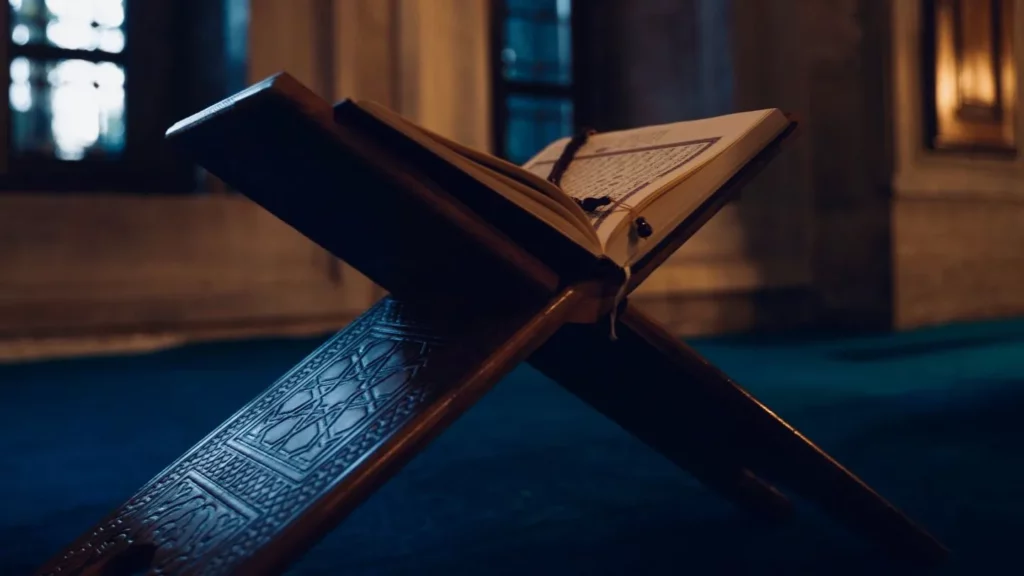
Rules to observe during Ramadan in Dubai
Respecting the rules during Ramadan in Dubai is not optional. Emirati law imposes strict restrictions on anyone present in the country, whether Muslim or not. Offenders are liable to fines and even prosecution in the most serious cases.
Do not eat, drink or smoke in public
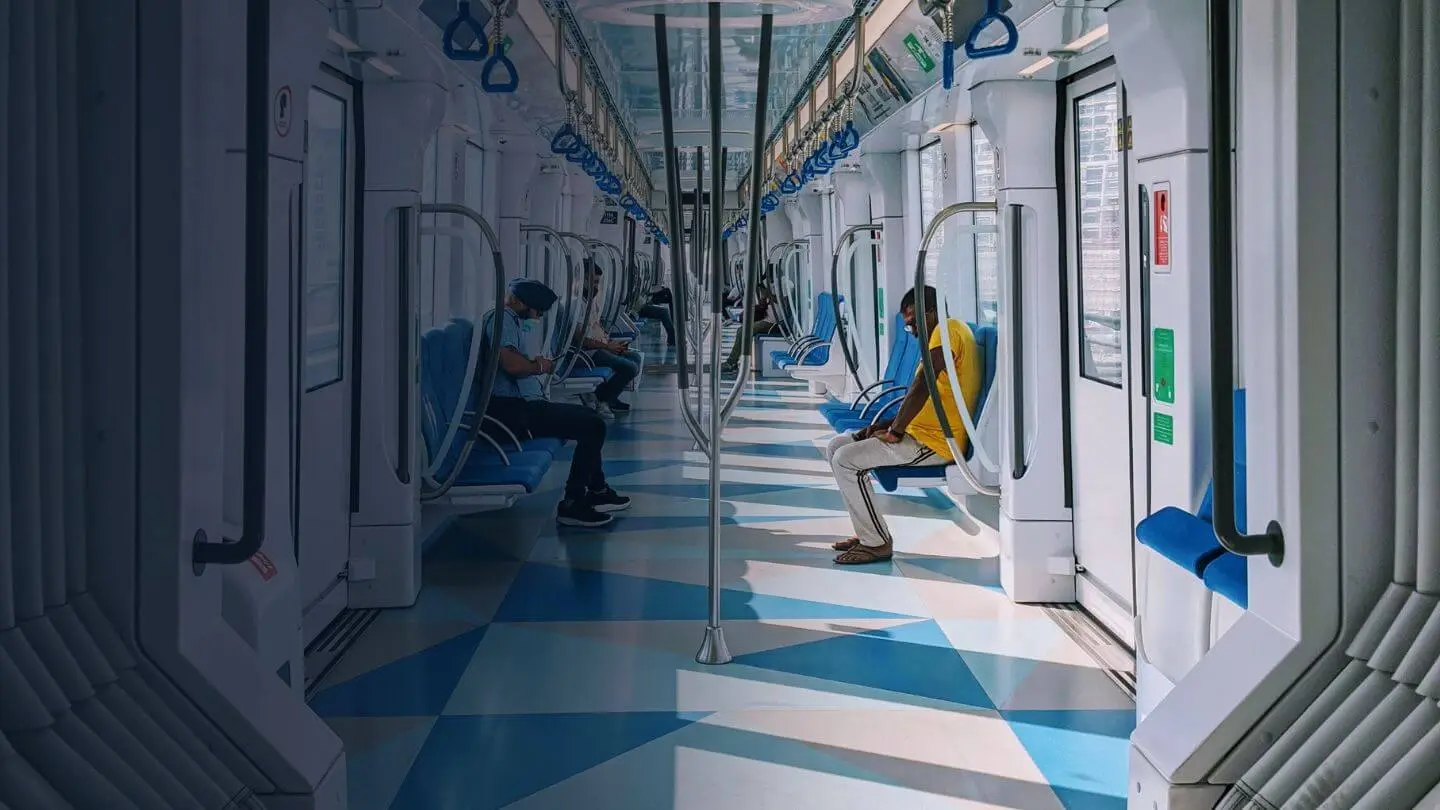
This is the fundamental rule. From sunrise to sunset, it is strictly forbidden to eat, drink (including water) or smoke in any visible public space. This applies to streets, parks, public transport, building lobbies and all open spaces. Chewing gum is also banned. This ban applies to everyone, regardless of religion. Young children are the only exception tolerated.
Dress respectfully
Modest dress is particularly expected during Ramadan. Shoulders, knees and necklines must be covered in public places. This recommendation, which applies all year round in official places, becomes imperative during the holy month. Beaches and hotel swimming pools remain the only places where skimpy clothing is normally tolerated.
Moderate noise levels and behaviour
Loud music, noisy behaviour and excessive emotional displays in public are to be avoided during Ramadan. Nightclubs and some bars close completely or drastically reduce their opening hours. The sale of alcohol is suspended in many establishments during the day, although some hotels continue to serve their guests discreetly.
What changes during Ramadan in Dubai?
Ramadan is transforming daily life in Dubai in tangible ways. Working hours are legally reduced by two hours for private and public sector employees. Most companies operate from 9am to 2pm or 10am to 3pm. Government departments are adopting shorter working hours and the responsiveness of official services has slowed considerably. If you are in the process of setting up a business or applying for a visa, you should be prepared for longer waiting times.
Shopping centres generally open later in the morning, at around 10 or 11am, but extend their opening hours in the evening until midnight or even 1am. Business literally explodes after Iftar. Restaurants that were closed or curtains drawn during the day fill up instantly at sunset. The streets of Dubai, deserted in the late afternoon, suddenly come alive around 6-7pm in a festive and convivial atmosphere.
Road traffic experiences two characteristic peaks during Ramadan: a noticeable slowdown an hour before Iftar, when everyone returns to eat, and late congestion between 9pm and 11pm when the city comes back to life. On the other hand, mornings are often quieter than usual, offering unusually fluid travel conditions in this normally congested city.
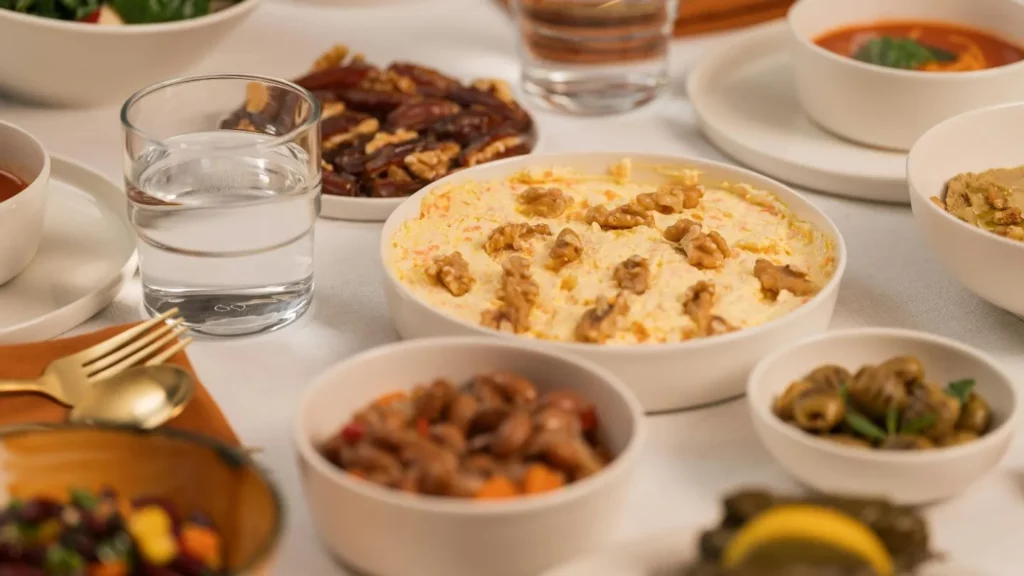
Where to eat during Ramadan in Dubai?
Don't panic: you won't starve during Ramadan in Dubai. There are plenty of options for non-fast eaters, even in the middle of the day. Most major hotels maintain their normal catering services for residents and guests. Hotel restaurants install curtains or screens to allow people to eat out of sight, in a way that is respectful of those who are fasting.
Some shopping centres have specially designed food courts with opaque partitions. The Dubai Mall and the Mall of the Emirates generally maintain accessible food courts, although the options are reduced compared with the rest of the year. Home delivery services operate as normal and are often the easiest way to enjoy a leisurely lunch at home.
Iftar: a gastronomic experience not to be missed
The real highlight of the Ramadan in Dubai is Iftar, the meal for breaking the fast at sunset. All the city's hotels compete in creativity and generosity to offer sumptuous Iftar buffets. These meals are a unique gastronomic experience, combining traditional Arabic cuisine, Middle Eastern specialities and international touches.
Prices for Iftar buffets vary considerably depending on the establishment. Expect to pay between AED 150 and AED 300 (around €35 to €70) per person in 4 and 5-star hotels. Palaces such as Atlantis, Burj Al Arab and Palace Downtown offer premium experiences from AED 400. Some community restaurants and Ramadan tents offer Iftars at much more affordable prices, between AED 50 and AED 100, in an authentic and warm atmosphere.
Suhoor, the meal taken before dawn to prepare for the day's fasting, is the other emblematic gastronomic moment. Many cafés and restaurants stay open very late, even all night, to serve this meal in a relaxed nocturnal atmosphere. The terraces fill up with families and friends enjoying the cool night air of February-March, creating an incomparable convivial atmosphere.
→ Read: Dubai shopping guide (Ramadan promotions)
Visiting Dubai during Ramadan: good or bad idea?
Many travellers are reluctant to visit Dubai during the Ramadan. It's understandable, but often unjustified. With a minimum of preparation and respect for local rules, this period offers advantages that the rest of the year does not.
The first advantage: the prices. Accommodation and flights are often cheaper than in the high season. Hotels offer Ramadan packages including Iftar, which represents excellent value for money for discovering the local gastronomy in top-of-the-range establishments. Shopping centres run special promotions in advance of the big Eid al-Fitr sales.
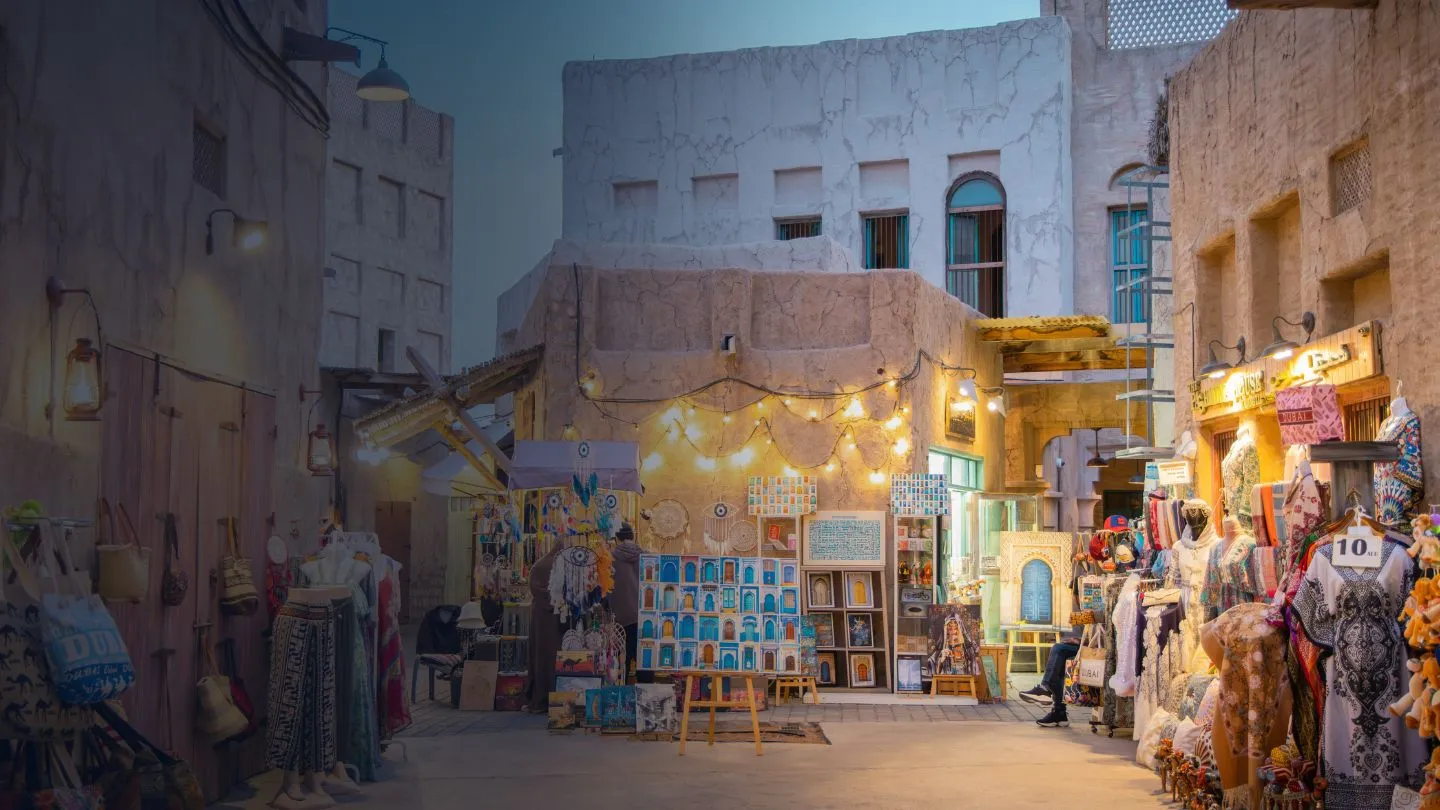
Second asset: the atmosphere. During Ramadan, Dubai reveals a more intimate and authentic face than that of the usual show city. Decorations light up the streets, mosques host prayer vigils open to the curious, and the spirit of sharing permeates every social interaction. It's an opportunity to experience a cultural facet of the Emirates that is rarely accessible to mainstream tourists.
The real constraints are limited to the ban on eating and drinking in public during the day and staggered opening hours. All the major tourist attractions remain open: the Burj Khalifa, the Dubai Frame, the Museum of the Future, the water parks and the desert excursions are operating normally, sometimes with adjusted opening times. Beaches are accessible and swimming is permitted without restriction.
Ramadan in Dubai: impact on business and entrepreneurship
For French entrepreneurs who have set up or are in the process of setting up business in Dubai, Ramadan means making practical operational adjustments. Reduced working hours have an impact on overall productivity and response times from your partners, suppliers and government departments. Business meetings are often held in the morning, between 9am and 1pm, or in the evening after Iftar. Avoid scheduling important meetings in the late afternoon, when your fasting contacts are at their most energetic.
Administrative procedures slow down considerably. If you are in the process of setting up a company, obtaining a licence or processing a visa, expect to wait one to two weeks longer than normal. Free trade zones such as DMCC, IFZA and JAFZA are maintaining their services, but with reduced staffing levels and shorter opening hours.
→ Read: Setting up a company in Dubai
On the other hand, Ramadan can also be a commercial lever. The restaurant, events and retail sectors experience a peak in activity in the evening. Marketing campaigns tailored to Ramadan generate strong commitment from local customers. For property professionals, it's a time when some landlords accept more flexible negotiating conditions on commercial and residential rents.
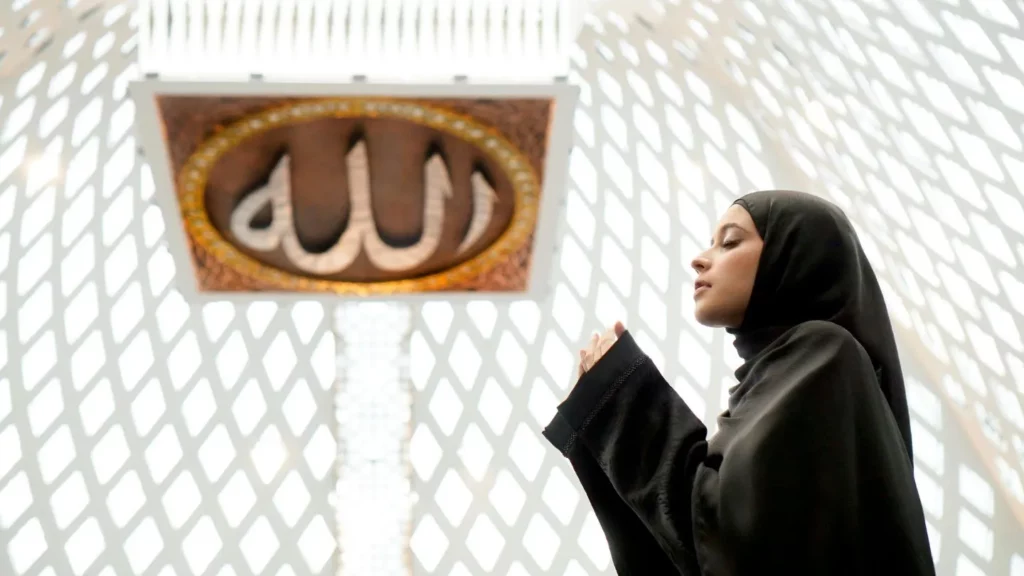
Eid al-Fitr: the big party at the end of Ramadan in Dubai
Eid al-Fitr marks the end of Ramadan and is one of the most joyous celebrations of the year in Dubai. The festival officially lasts three days, but the festivities often extend over an entire week. The city regains its usual energy, multiplied tenfold by the euphoria of the end of the fast. Fireworks light up the sky, shopping centres stage spectacular events and families gather for sumptuous meals.
For visitors, Eid is the perfect time to discover Dubai in celebration. Eid sales in shopping centres rival those of the Dubai Shopping Festival. Restaurants resume their normal opening hours and the general atmosphere is one of celebration. It's also a holiday period for many residents, leading to a spike in tourist numbers and a temporary rise in hotel prices.
FAQ : Ramadan in Dubai
Can I drink water in public during Ramadan?
No. All drinking, including water, is prohibited in public areas between sunrise and sunset. You may drink in your car (out of sight), in your accommodation or in the covered catering areas of hotels.
Do tourists have to fast?
No, non-Muslims are not obliged to fast. The only obligation is not to eat, drink or smoke visibly in public places. In private, you are free to eat normally.
Do hotels serve breakfast during Ramadan?
Yes, almost all hotels in Dubai maintain their breakfast and catering services for their guests, even during the day. The service takes place behind curtains or in dedicated areas, out of sight.
Are tourist attractions open during Ramadan?
Yes, all of Dubai's major attractions remain open during Ramadan. The Burj Khalifa, water parks, museums and desert tours operate as normal, with times sometimes adjusted slightly. Check the official websites for updated timetables.