Gist of the article : A successful expatriation to Dubai rests on three pillars. Firstly, you need to be in order (residence visa, Emirates ID, documents prepared and legalised). Secondly, you need to control your real budget, which is dominated by accommodation, and choose the right area to suit your lifestyle, with a first year's rental to give you flexibility. Finally, you need to secure your project for the long term by understanding the local rules, the job market or setting up a business, and your tax situation between France and the Emirates.
Are you motivated by the ambition to expatriate to Dubai in order to optimise your tax situation, but the density of the administrative procedures and the fear of hidden costs are still holding back your decision? This practical 2025/2026 guide analyses the entire process for you, from the strategic choice of your visa to the creation of your legal structure, so that you can turn this opportunity into an immediate operational success. Find out now the real cost of living figures, the best residential areas for your family and the essential mechanisms for securing your move to the Emirates without compromising your financial profitability.
Think you can set up without any formalities? You'd be wrong. To expatriate to Dubai effectively, a residence visa is not an option, it's an absolute must. Generally sponsored by an employer, without one you're completely blocked: you can't rent a flat or open a bank account.
The procedure follows an implacable logic: receipt of the job offer, compulsory medical tests, then application for the Emirates ID. It's a rigid sequence that has to be completed step by step to be in order.
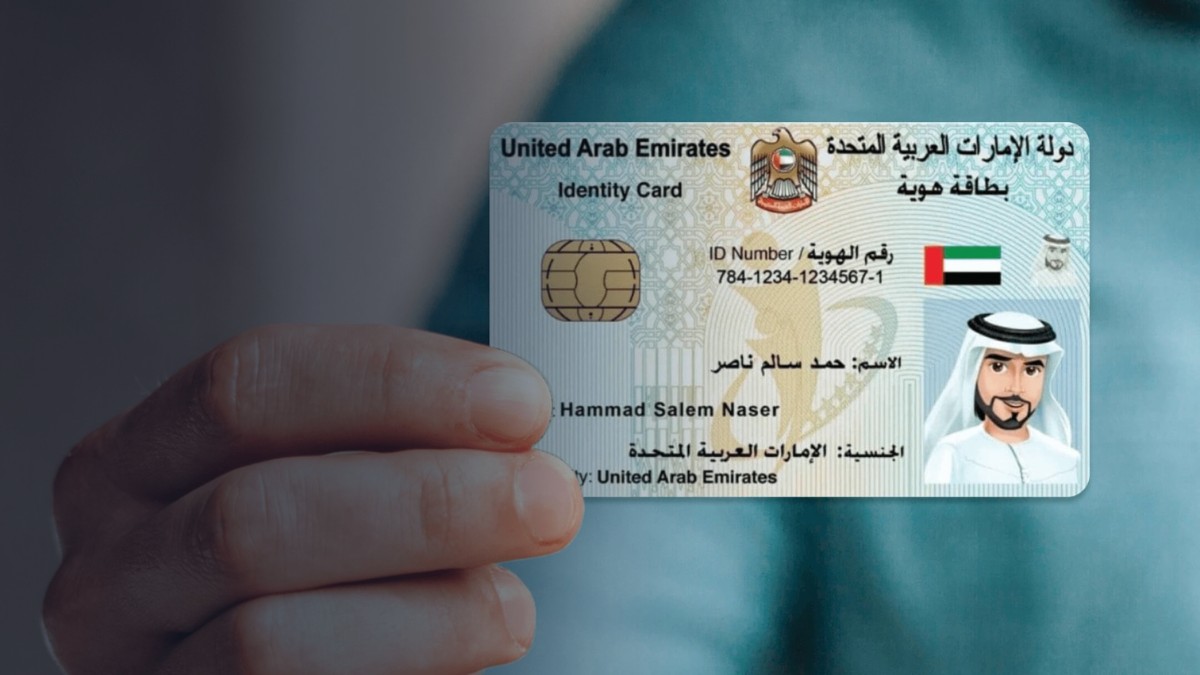
Don't lose your Emirates ID, the local identity card. This document must remain in your pocket at all times, as it centralises all your personal and administrative data with the authorities.
Setting up your own structure is still the best way to retain control. It's a highly flexible solution for entrepreneurs who want to become their own sponsor and avoid any dependence on a third party.
Please note, obtain residency by setting up a business requires a structured approach. If you have the funds, aim for the Golden Visa for investors, A 10-year long-term residence option for those making a significant investment.
The freelance visa is a useful alternative for the self-employed. This status allows you to invoice several clients legally. Take a look at article on freelance status in Dubai to understand the mechanics.
Anticipation is your best weapon here. Collecting and, above all, legalising documents takes an incredible amount of time and must be done from France before you get on the plane.
Here is the exact list of documents you need to collect to avoid administrative rejections:
Don't just focus on the basic salary. The overall package is what really counts. You need to negotiate hard on the peripheral elements, because they have a direct impact on your final purchasing power once you're there.
Put the big-ticket items on the table: full cover for accommodation or a substantial allowance, children's school fees, and concrete health insurance for the whole family.
Don't forget the «little extras» that make all the difference: the annual plane ticket back to France, a comfortable installation allowance and on-site collection of your vehicle.
Once the visas have been validated, it's time to get down to business. Many people think that expatriating to Dubai is synonymous with automatic savings thanks to zero taxation. This is not true. If you don't keep your fixed costs under control, this city can drain your cash flow in a matter of months.
Let's be clear: accommodation will be your biggest expense by far. For a one-bedroom flat in a popular area like Dubai Marina, the entry ticket is now over USD 5,000 a month. That's the price you pay for centrality.
The method of payment is archaic and brutal for the cash flow of a company or an individual. The norm is still payment by post-dated cheques: one, two or four to balance the year in one go. You need to have the funds available immediately.
Add to that the deposit, the often high agency fees and the DEWA meter opening. The initial bill rises very quickly even before you've packed your bags.
Filling your fridge is expensive if you stick to strict Western habits. Imported products, such as cheese and cold meats, are sold at high prices in supermarkets. Expect to pay around AED 2,500 a month for a single person without depriving themselves.
Petrol is cheap (around €0.66 a litre), but a car is essential for getting around efficiently. Between insurance, maintenance and the daily Salik tolls, the transport budget quickly explodes. The metro does exist, but it does not serve all residential areas and remains a back-up solution.
Leisure activities are the real money trap here. Trendy restaurants, bars and beach clubs are often prohibitively expensive. An active social life in these trendy places can double your monthly expenses before you know it.
The absence of income tax is certainly a massive advantage. But make no mistake: this tax advantage is often used to offset a structurally very high cost of living, especially for housing and education.
If you don't want to end up in the red, you need to work out everything before you leave. I recommend that you consult our detailed guide to cost of living in Dubai to obtain a realistic analysis. This is the only way to secure your expatriation project.
And don't forget the 5 % VAT that now applies to most goods and services. It's an accounting detail, but it weighs on the final bill at the end of the month.

Now that the budget is validated, don't make the classic mistake of neglecting location. Successful expatriation to Dubai means choosing the right HQ, because your address defines 80 % of your quality of life there.
Forget the «direct owner» option, which is virtually non-existent here. The market is totally locked down by estate agents, so you'll be hunting for a home mainly on dedicated online portals.
Once the property has been found, signing the «Ejari» contract is the next non-negotiable step. This is the official registration of the lease with the government, the administrative sesame that is essential for the legal release of water and electricity (DEWA).
Payment is made by post-dated cheques, an unavoidable local practice. Beware: bouncing a cheque is not just a banking error: it is a criminal offence punishable by severe penalties in the Emirates.
Should you buy straight away? For an initial installation, leasing remains the almost systematic norm. It guarantees total flexibility if your business takes a turn or your life plans change abruptly.
Buying a property is becoming a strategic option for expatriates who are settling in for the long term. In fact, it is a sine qua non for obtaining certain residence permits, such as the famous Golden Visa for property.
Our expert advice: don't rush into anything. Rent for at least a year to get to know the city, compare neighbourhoods and confirm your lifestyle before committing to a purchase.
A roof over your head is great, but a solid source of income is even better. Whether you're an employee or an entrepreneur, expatriating to Dubai offers immense opportunities, provided you understand its ruthless codes.
Forget the easy Eldorado, competition is brutal and the market does no favours to average profiles. The dynamic economy attracts the world's best talent, making every post highly competitive. Let's be clear: a perfect command of English is absolutely non-negotiable here.
Sending out CVs at random is a complete waste of time and will get you nowhere. In Dubai, networking reigns supreme when it comes to recruitment. You need to be aggressive on LinkedIn and encourage face-to-face meetings at events.
The figures on the payslip seem high compared with Europe. But be sure to deduct the exorbitant cost of living before claiming victory.
Most expatriates opt for the Free Zone, and it is often the most logical choice. This option guarantees you 100 % of ownership of your capital without local interference. You benefit from massive tax advantages, perfect for invoicing international services.
A Mainland licence is essential if you intend to sell your products directly on the local Emirati market. The good news is that a local partner is no longer compulsory for most activities. You can now own 100 % of your company right in the heart of the city.
The choice depends on your target market. See our section on how to set up a company. A accompaniment is often judicious to avoid costly mistakes.
The myth of total «zero tax» is now a thing of the past with the recent introduction of corporation tax. This is a major paradigm shift for entrepreneurs based in the Emirates. You need to factor this new tax situation into your financial forecasts.
Read the details here:
The State now levies 9 % on net profits in excess of the AED 375,000 threshold. Fortunately, there are still exemptions, particularly for companies in Free Zones not trading locally.
Rest assured, the tax burden remains derisory by European standards. You will keep most of your earnings.
Read the details here: The State now levies 9 % on net profits in excess of the AED 375,000 threshold. Fortunately, there are still exemptions, particularly for companies in Free Zones not trading locally.
Expatriating to Dubai on your own is an adventure, but doing it as a family adds a layer of logistical complexity. Managing children and health quickly become the focal point of your preparations.
Here, there isn't really a public option for expats. You can opt for private international schools offering British, American or International Baccalaureate (IB) courses, not forgetting the Lycée Français International for continuity.
But beware, the budget can quickly explode. Tuition fees are very high and often represent the number one item of expenditure. It's a classic mistake not to include these costs when negotiating your salary package.
A word of advice: don't wait until the last minute. Waiting lists get longer every year, so register well in advance of your arrival.
The health system is predominantly private and insurance is compulsory for all residents. If your employer provides basic cover, you should be aware that benefits vary enormously from one contract to another.
When it comes to quality, excellence is paramount. You will have access to ultra-modern hospitals and clinics equipped with the latest technology, staffed by competent international medical personnel.
But be sure to check your policy limits carefully. Top-up insurance is often necessary to avoid unpleasant financial surprises for your family.
Family life here is incredibly serene and secure. Dubai is a kid-friendly city par excellence, with a near-zero crime rate and a plethora of parks, beaches and dedicated activities.
The only real constraint is the climate. From May to September, the intense heat imposes a rhythm of indoor life, between shopping centres and air-conditioned playgrounds.
Are you planning to take your four-legged friends with you? It's perfectly feasible. Take a look at how to bring your pet to Dubai, The procedure requires absolute administrative rigour.
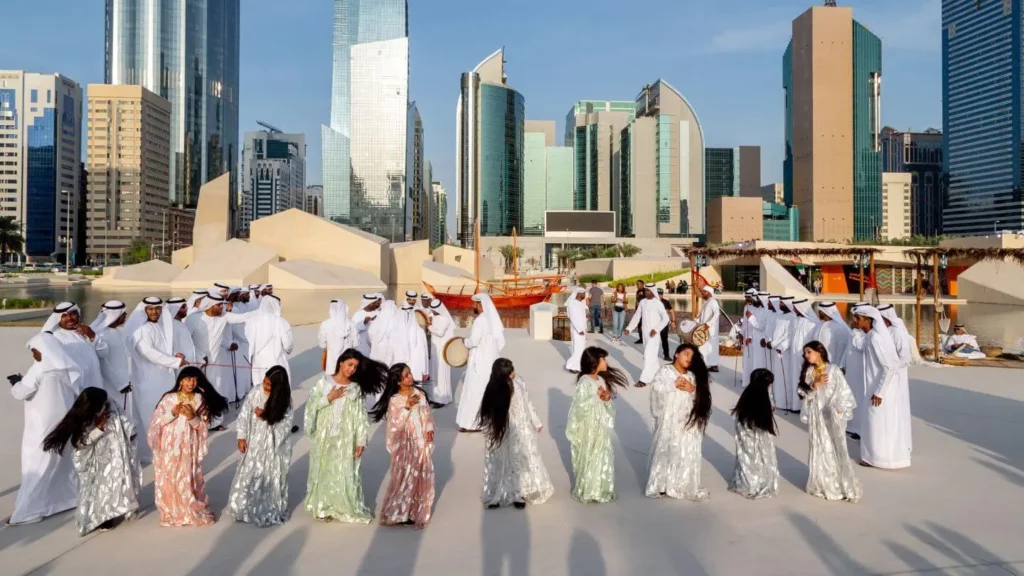
Moving to Dubai is not just about business; it's also about mastering the local way of life. While the city may display a cheeky modernity, it does not compromise on its fundamental values.
The Emirates are a land of Islam, and this is a non-negotiable fact. Respect for religion applies to everyone, believers and non-believers alike. This requires constant modesty and particular attention to your behaviour whenever you leave your home.
Forget provocative outfits. In public places such as malls or government offices, shoulders and knees must remain covered. This is even truer during Ramadan, a period when vigilance over decency is at a premium.
Be careful with tender gestures. Public displays of affection, such as kissing, are strictly forbidden and can get you into serious trouble.
Let's put the rumours to rest: alcohol is not forbidden to non-Muslims. But its consumption is highly regulated. You can only drink in licensed premises, often attached to large hotels or restaurants, never in the street.
For personal consumption at home, you must obtain a licence. Don't play with fire: drunkenness on the public highway is a serious offence, punished very severely by the local police.
Nightlife is very real indeed. But it takes place exclusively within this very precise legal framework that must be accepted.
You'll quickly become hooked on this exceptional level of security. Dubai is one of the few cities in the world where you can walk anywhere, at any time, without the slightest fear for your property.
The other side of the coin? Zero tolerance for crime. The law is brutally applied, with no exceptions. An insult, an unpaid debt or a dishonoured cheque are considered major offences and will land you in jail.
The golden rule is simple: Always remain respectful in all circumstances. Keep your tone calm and professional, even if the exchange becomes tense or unfair. Avoid interrupting, respond in a calm manner and focus on the facts.
Being a tax resident means that the tax authorities tax your worldwide income, regardless of where it comes from. To stop paying tax in France, you must lose this status. This is the basic rule for successfully expatriating to Dubai without unpleasant surprises.
France will tax you if you meet just one criterion: your home, your main place of residence, your professional activity or the centre of your economic interests. Only one is needed to remain liable for tax.
Flying is not enough. The real centre of your life has to shift to Dubai for the authorities to validate this change. There are no half measures here, everything has to be consistent.
Fortunately, a bilateral agreement exists. This technical text prevents your income from being taxed twice, once by each state. This is your shield against double taxation.
La tax treaty between France and the UAE strictly allocates tax rights. Your French property income, for example, is generally still taxable in France, even if you live at the foot of the Burj Khalifa.
It's true that this agreement protects expatriates. But you need to understand its subtleties to avoid stumbling.
Beware of «false» expatriation. Keeping too many ties in France can lead to a brutal tax reassessment. The French tax authorities won't let you get away with anything if your file is shaky or ambiguous.
A family back home, bank accounts that are too active or extended stays are all warning signs. Read our tax residence comparison Dubai vs France to measure the real risks of these common errors.
Don't play the sorcerer's apprentice. Seek the advice of a tax expert to help you get off to a sound start.
Dubai offers a highly variable cost of living depending on your lifestyle. An essential budget (studio flat in the suburbs, public transport, home cooking) is around AED 8,000 to 12,000/month (€2,000-3,000). A comfortable lifestyle (1-2 bedroom flat in central area, regular outings) requires AED 18,000 to 25,000/month (€4,500-6,250). For luxury (city-centre accommodation, premium car, top-of-the-range restaurants), expect to pay more than AED 40,000/month (€10,000). The absence of income tax offsets these costs for residents.
Meals range from AED 30 (€7.5) in a food court to AED 200 (€50) in a mid-range restaurant, and easily exceed AED 400 (€100) in premium establishments. Eating at home considerably reduces expenses A couple spends an average of AED 800-1,200/month (€200-300) on shopping, compared with AED 400-800 per restaurant meal (€100-200 for two people). Supermarkets such as Carrefour or Lulu Hypermarket offer economical options comparable to European prices.
For a balanced lifestyle, aim for AED 20,000-35,000/month (€5,000-8,750) for a couple or executive. This budget covers a 1-2 bedroom flat (AED 7,000-12,000), transport (AED 1,500-3,000), food (AED 2,000-3,000) and moderate leisure activities. Entrepreneurs must also factor in professional expenses (business licence, compulsory health insurance). With a net salary in excess of AED 40,000/month (€10,000), luxury becomes affordable while saving money thanks to the absence of income tax.
Dubai does not have an official minimum wage, but private companies must respect a contractual minimum of AED 3,000-5,000/month (€750-1,250) for skilled positions. Managers generally start at AED 8,000-15,000. Salaries vary greatly depending on the sector A developer earns AED 12,000-20,000, compared with AED 6,000-10,000 for a teacher. Contracts often include benefits (housing, bonuses) that influence total income after tax.
Accommodation accounts for 30 to 50 % of the budget: AED 7,000-12,000/month for a 1-bedroom flat in a central district. Premium cars, with subsidised petrol but expensive Salik insurance and tolls, weigh on the budget. Top-of-the-range restaurants (AED 400+ meals) and exclusive leisure activities (water sports, 5-star golf courses) inflate spending. Finally, imported products (wines, spirits) are taxed at 50-100 %, which justifies their high price.
The public beaches (Jumeirah, Umm Suqeim) are free and accessible. Parks such as Safa Park or Mushrif Park offer green spaces and family activities free of charge. Traditional markets (Gold Souk, Spice Souk) and the historic district of Al Seef offer free cultural immersion. The Dubai Museum (AED 3) and Dubai Creek (free walk) are affordable. For sporting activities, there are free cycle paths and outdoor yoga classes at AED 30-50 (€3-7). Cultural events such as Art Dubai or Dubai Design Week often offer free entry or low-cost events.
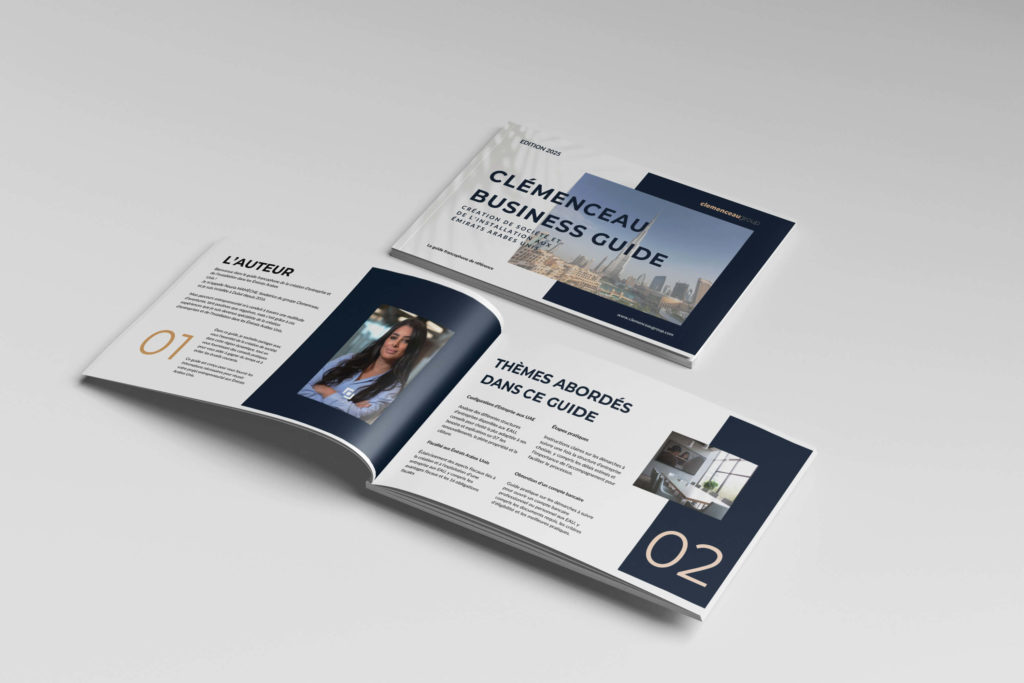
Everything you need to prepare for your move: budget, accommodation, procedures, practical advice and mistakes to avoid. Download the guide and get off to a good start.
✨ EXPATRIATION TO THE UAE GUIDE
Do you have specific questions about life in Dubai?

Download the guide
Download the free guide and prepare your expatriation to Dubai with a clear, step-by-step method.
"*" indicates required fields