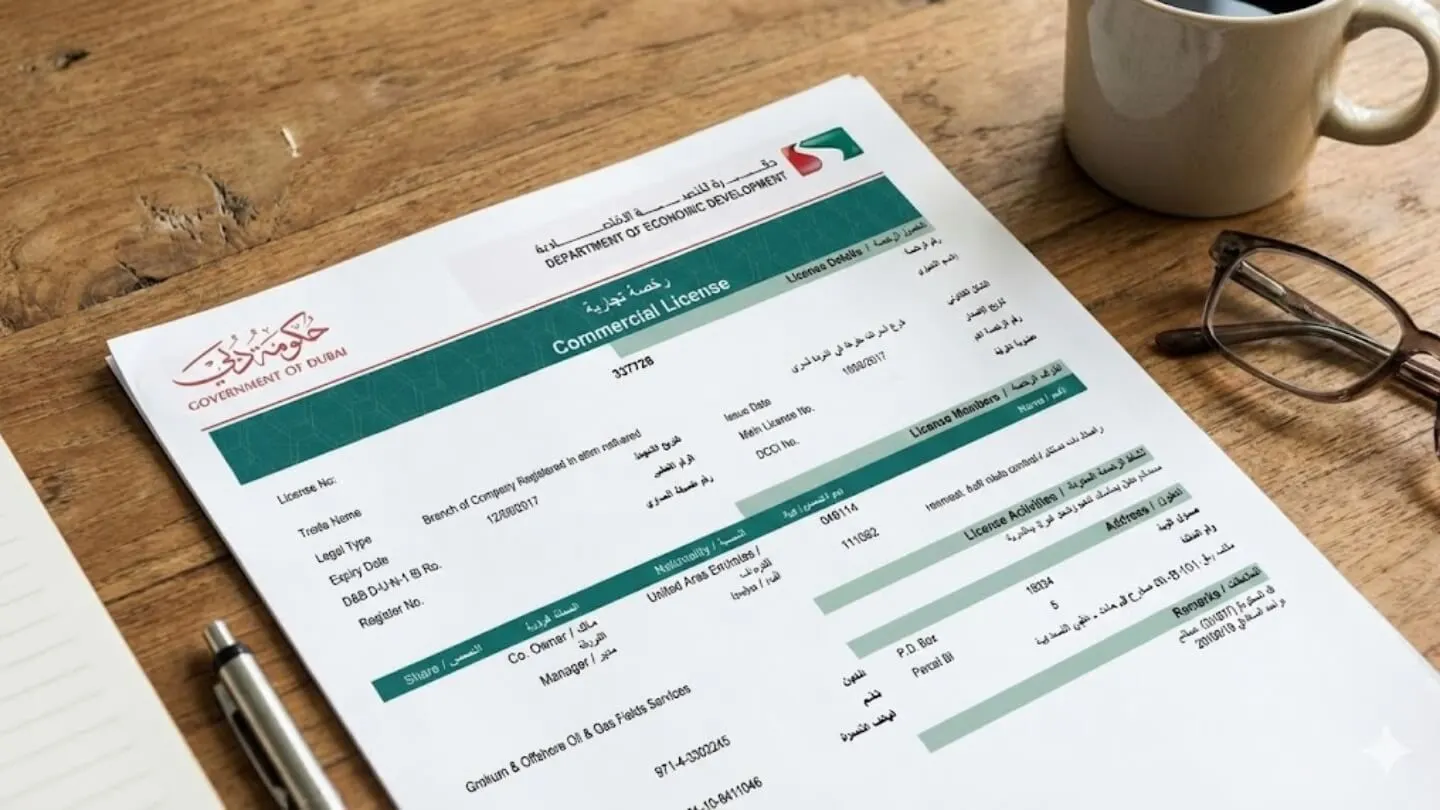




Compliance refusals and administrative delays often come as a surprise to entrepreneurs who are used to a certain degree of banking fluidity. This technical file will guide you step by step to open a bank account in Dubai, by adapting the strategy according to your status as a resident or international investor. You will immediately identify the documents required by local institutions and the key criteria for choosing a bank capable of supporting your ambitions without any hidden costs.
Prerequisites: resident or non-resident, it changes everything
Before we start talking about paperwork, we need to decide on a fundamental issue that dictates the whole procedure: your status in the Emirates. This is the tipping point.
The resident's sesame: the Emirates ID
For residents, the road is clear. Everything hinges on one key element: Emirates ID card. It's the irrefutable proof of your status and the key that unlocks bank doors without unnecessary friction.
To obtain this document, you need a valid residence visa. In the eyes of the banker, this status confirms that you are established locally, which collapses their perception of risk compared with an international profile.
In concrete terms, your Emirates ID is the most important document in your life in Dubai.
The non-resident route: more complex, but possible
Would you like to open a bank account in Dubai without living there? It's possible, but banks are wary. You will generally only have access to a savings account with limited functionality compared with a traditional current account.
Expect strict restrictions This means no chequebook and often just an ATM card for withdrawals, with no debit function. The bank seeks to limit its exposure. In addition, physical presence in Dubai is almost systematically required to sign.
Be warned: the supporting documents required are numerous and the minimum balance imposed is significantly higher than for a resident.
Personal, company or offshore account: the right account for every project
Don't confuse uses. A personal account is for day-to-day use, while a corporate account is essential for running a free-zone or mainland business. Each structure has its own distinct banking logic.
The offshore account, often linked to a structure such as JAFZA or RAK ICC, is aimed at the wealth management or investment. It is subject to specific rules and is not used for local commercial operations.
Caution! Mixing your personal and business finances is the worst mistake you can make here: it often leads to immediate account closure.

Documents to gather: your checklist for the bank
For a resident, the procedure remains standardised. You will need to present your valid passport, including the residence visa page, and the original Emirates ID. Some banks will ask for proof of address, such as a DEWA bill or rental agreement.
Note that a letter of «no objection» from the employer (NOC) stating the salary may also be required to validate the application.
The basis for a personal resident account
For non-residents, the list is considerably longer. In addition to a passport, you will need to provide a reference letter from your bank in your home country to prove that you have kept your account properly.
You should also prepare a detailed CV so that they understand your professional background, as well as bank statements for the last 6 months to prove your financial history. The most important thing is proof of the source of your funds.
What you need to know: if you are aiming for a company account to open a bank account in dubai, add company documents These include a commercial licence, a Memorandum of Association (MoA) and the passports of all shareholders.
Comparative table of documents: resident vs non-resident
To get a clearer picture, there's nothing like a table. Here is one visual summary of documents to be supplied depending on your status for a personal account.
| Document | Required for Resident | Required for Non-Residents |
|---|---|---|
| Passport with visa | Yes | Yes (with tourist visa) |
| Emirates ID (original) | Yes (Essential) | No |
| Proof of address in the UAE | Often | No |
| Bank reference letter (country of origin) | No | Yes (Required) |
| Bank statements (6 months) | Sometimes | Yes |
| Professional CV | No | Yes |
| Proof of source of funds | Sometimes | Yes (Systematic) |
Choice of bank: traditional players under the microscope
The file is ready. But which bank to turn to ? They're not all the same, especially when you're an entrepreneur or an expatriate.
Local giants: Emirates NBD and First Abu Dhabi Bank (FAB)
Emirates NBD clearly dominates the pavement. It's the undisputed leader, and it's impossible to miss their ATMs or branches on every street corner. To open a bank account in Dubai as a resident, this is often the default option, solid and reassuring.
On the other side, you have FAB, the colossus born of the merger between FGB and NBAD. This is the largest bank by assets, It is a veritable financial fortress. Beware, however, that the atmosphere is more corporate and sometimes less flexible for non-residents on standard accounts.
The challengers: Mashreq Bank and Dubai Islamic Bank (DIB)
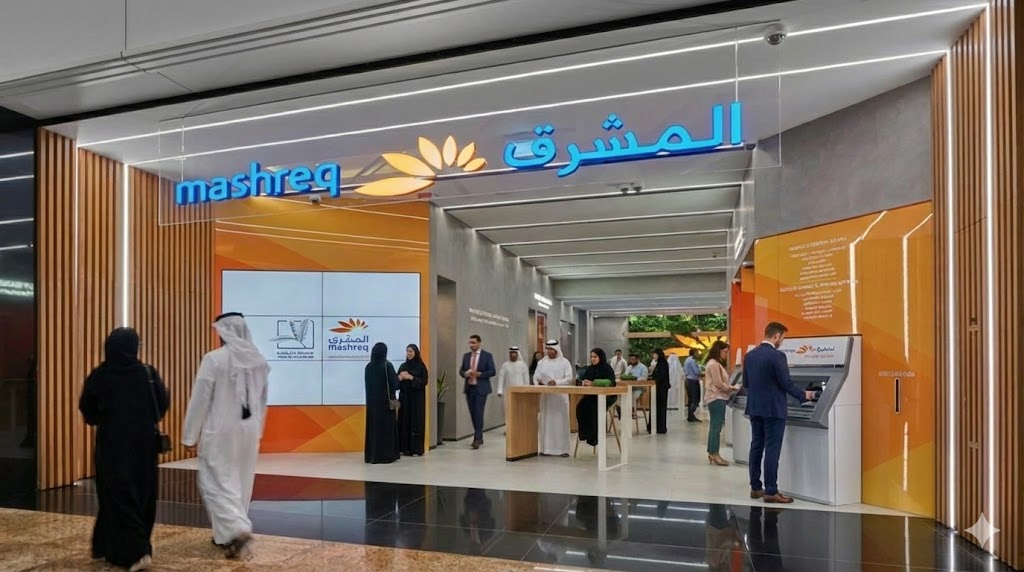
If you're looking for innovation, look no further than Mashreq Bank. It's the oldest private bank, yet it's taken on a new dimension. impressive digital shift. Their Mashreq Neo offer is perfect if you want to manage everything from your mobile, without ever setting foot in a branch.
For those who favour religious ethics, DIB remains the undisputed leader in Islamic finance. This is a serious option if you require Sharia-compliant products. Their customer service is often cited as an example of availability and a human approach.
Questions to ask before signing
Don't be dazzled by the marble of the entrance hall. Before you sign anything, ask the tough questions. It's your money, not theirs.
- What is the minimum balance to be maintained to avoid costs («minimum balance requirement»)?
- What are the exact monthly costs if this balance is not respected («fall below fee»)?
- How much the real cost of international transfers (transmission and reception)?
- Is the mobile application really complete and functional on a daily basis?
- Will I have a dedicated account manager and is he easy to contact?
The opening procedure: practical steps
You've got your documents and a bank in mind to open a bank account in Dubai. That's great. Now let's take a look at how the process works, from the first contact to the activation of your account.
1 - Preparing your file and making an appointment
You don't walk into an Emirati bank with your hands in your pockets. Prepare your complete file in advance. Make copies of all your administrative documents. Above all, always carry the originals with you when you travel.
You generally need to make an appointment to be seen. For a company account, this is strictly compulsory. This allows the bank to’allocate a dedicated advisor to study your profile and the needs of your future setting up a business in Dubai.
2 - Maintenance and the famous «KYC» test»
Don't think of the interview as a police interrogation. The banker is simply applying the KYC (Know Your Customer) procedure. It's not personal, it's a an unavoidable legal obligation in the Emirates.
This involves asking detailed questions about your professional activity and the origin of your funds. This is a anti-money laundering security measures (AML). So be transparent and precise about the nature of the transactions you are planning.
The message is simple: a clear brief and honest answers speed up the process. Vagueness often leads to refusal.
3 - Initial deposit and account activation
Once the application has been accepted, the bank will often require an initial deposit to validate the opening. The amount varies enormously from one institution to another. It ranges from zero for some salary accounts to several tens of thousands of dirhams.
Please note that the account is only really active once the receipt of this deposit. You will then receive your card, chequebook and online access within a few working days. Please be patient during this phase.
Beyond the banks: modern alternatives for entrepreneurs
What if the solution was not to be found in a traditional bank branch ? The world of finance is changing, and Dubai is no exception.
Fintechs: an IBAN in AED without residence?
Forget marbled tellers for a moment. Agile solutions such as Wise (formerly TransferWise) or Revolut allow you to’obtain local bank details, including an IBAN in AED, without a residence visa.
Let's be clear: these are not banks, but electronic money institutions. However, this is the ideal for receiving payments and making low-cost transfers, especially for freelancers or e-commerce businesses.
But know what you are giving up: no credit facility, no chequebook, and balance limits imposed.
Opening 100% online: myth or reality in 2025?
You may be hoping to open a Dubai bank account from your sofa in Europe. For a non-resident, the 100% remote process in a traditional bank is an illusion. Physical presence for identity verification remains the absolute norm.
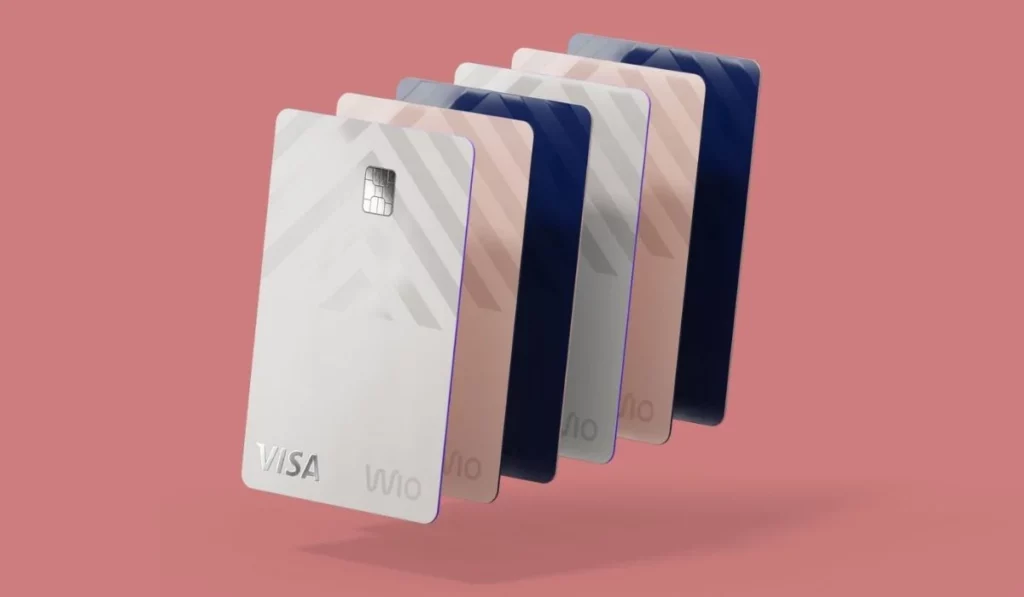
Neo-banks such as Mashreq Neo and Wio Bank offer an attractive digital promise. But beware, the application will block you if you cannot scan a valid Emirates ID. This is a solution reserved for residents.
Quick comparison: traditional bank vs fintech
To help you make the right choice without wasting time, here are the gross advantages and disadvantages of each approach.
- Traditional bank Advantages (full range of services, credit, advice), Disadvantages (red tape, high costs, physical presence required).
- Fintech (such as Wise) Advantages (fast, remote opening, low exchange fees, ideal for international transactions), Disadvantages (limited services, no credit, paperless customer support).
Points to watch and expert tips
The process may seem simple, but a number of pitfalls can cost you dearly. Here's what experience has taught us.
Minimum balance and hidden charges
This is the most common trap. Most accounts require a minimum average monthly balance, often around AED 3,000 or 5,000. If you fall below this, fall below fees ranging from AED 25 to over AED 150 per month may apply. It's an expense that's easy to avoid.
Some salary accounts do not have this strict requirement. A monthly transfer of a certain amount is often all that is required. Be sure to check this point before committing yourself. This will avoid unnecessary costs over the long term.
Classic mistakes not to be made
Finally, a quick list of the mistakes that can block your application or complicate your life. Avoid these mistakes to open a bank account in Dubai with peace of mind.
- Getting to the appointment without original documents.
- Underestimating the importance of the bank reference letter for a non-resident.
- Not being clear about the source of your income during the KYC interview.
- Choosing a bank purely on the basis of proximity.
- Ignoring minimum balance requirements and charges.
Getting support: an investment, not an expense
As you can see, the process can be a real challenge. assault course, especially for a company account. The rules change often. Each bank has its own subtleties. You must leave nothing to chance in your approach.
When you call on an expert like Clemenceau Group, you can be sure that your application is perfect first time. We know the banks' requirements. We help you structure your project. This is essential for obtain residency in the Emirates. This simplifies all your banking procedures.
Opening a bank account in Dubai requires rigour and foresight, whether you are a resident or not. Once you've identified the right financial partner and validated your application, you'll have access to’an indispensable tool for your business. To avoid administrative pitfalls and speed up the process, specialist support remains your best asset.
FAQ opening a bank account in the UAE
Can a foreigner open a bank account in Dubai?
Yes, this is entirely possible, whether you are resident or non-resident. However, the procedure differs greatly depending on your status. Residents with a visa and an Emirates ID have access to all standard banking services. Non-residents, on the other hand, are generally restricted to savings accounts and must comply with stricter compliance checks and higher minimum balance requirements.
What is the minimum salary or balance required to open an account?
For salaried residents, banks often require a minimum monthly salary to be transferred to the account, generally between AED 3,000 and AED 5,000 for standard accounts. For non-residents, the logic is different: they are required to maintain a minimum balance. This amount is much higher, often starting at around AED 25,000 (around €6,300) and rising to USD 100,000 or more for wealth management or priority banking accounts.
What are the advantages of opening a bank account in Dubai?
Opening an account in Dubai allows you to benefit from a solid, modern and stable banking system. This is a major advantage for entrepreneurs and investors wishing to diversify their assets or manage international flows in multiple currencies (USD, AED, EUR) without excessive exchange charges. It also makes it easier to manage local investments, particularly in real estate, while enjoying the confidentiality that complies with international standards.
What's the best bank for French speakers in Dubai?
There is no such thing as the «best» universal bank; the choice depends on your profile (employee, entrepreneur, investor). Emirates NBD is often praised for its extensive network and powerful mobile application. For entrepreneurs and digital needs, Mashreq Bank or RAKBANK offer excellent solutions. If you are looking for top-of-the-range support as a non-resident, the «Priority» departments of international banks such as HSBC may be relevant.
Are there any French banks in Dubai?
Yes, several major French banks such as BNP Paribas, Société Générale and Crédit Agricole have offices in Dubai, often within the DIFC. However, beware of confusion: these entities focus mainly on investment banking, corporate finance and private wealth management. They do not generally offer retail banking services for individuals (traditional current accounts) as they do in France.